What Causes Obstructive Sleep Apnea?
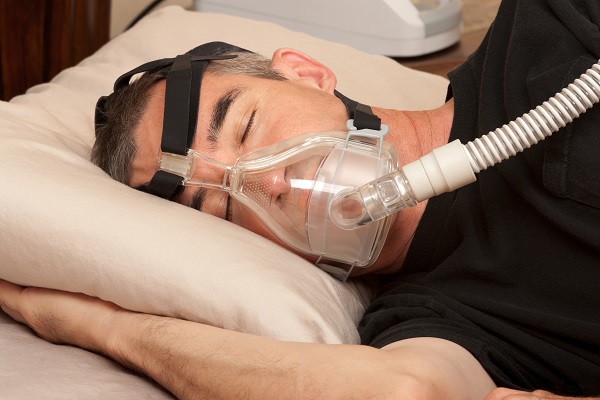
Obstructive sleep apnea is a disorder many people suffer from. Essentially, it is when breathing stops while sleeping. While this is considered a serious medical condition, the consequences of having sleep apnea usually do not pose a health risk. However, sometimes it can be dangerous, so you should always speak to your doctor upon noticing the symptoms. Surprisingly, many people who suffer from this condition do not even realize it.
What is sleep apnea?
Obstructive sleep apnea occurs when the muscles in the throat relax while someone is sleeping, which causes the airway to close. This is also one of the main causes of snoring, although obstructive sleep apnea is more severe. When someone suffers from this condition, the back and the throat and the soft palate pinch together, which closes the airway and prevents air from passing into the lungs through the mouth or the nose.
It is natural for the body to relax while sleeping, but some muscles are not supposed to do so. The muscles in the back of the throat create the support structure in the airway, and if these muscles relax too much, sleep apnea occurs. When this happens, the brain will usually recognize the lack of air and wake the sleeper up, which corrects the blocked airway. It is common not to remember waking up.
Symptoms
Because the condition only manifests when sleeping, it is possible to have sleep apnea and not even realize it. It is easier to recognize when sleeping with a partner or with someone else in the room. Another person may notice the symptoms when the sleeper cannot. In particular, sleep apnea usually causes loud snoring, which can be disruptive for other people trying to sleep. There are other symptoms, some of which may occur while awake:
- Brief periods of silence while sleeping
- Nighttime sweating
- Waking up while gasping or choking
- Daytime sleepiness
- Waking up with a headache or dry throat
- Depression or irritability
- High blood pressure
If you may suffer from this condition, it is important to speak with a doctor immediately. Suffocation is not a risk, but sleep apnea can cause spikes in blood pressure, which can create life-threatening problems. Additionally, it can make it dangerous to receive sedation for any surgeries.
Causes
Sleep apnea is overwhelmingly more likely to occur in overweight individuals. However, it is possible to suffer from it at any weight. Additionally, men are more likely to suffer from it than women, as are people with high blood pressure. Other conditions, such as diabetes or asthma, may also increase the chances of suffering from it.
Treatment
The most common solutions involve using a device while sleeping. This may take the form of a mouthguard or a more complicated electrical device. It may be possible to receive surgery to correct sleep apnea, too.
Conclusion
People who suspect they may have sleep apnea should speak to a medical professional. Seeking treatment for this condition is important for one's overall health and well-being.
Request an appointment here: https://sceniccitydentistry.com or call Scenic City Dentistry at (423) 888-0201 for an appointment in our Chattanooga office.
Check out what others are saying about our dental services on Yelp: Sleep Apnea in Chattanooga, TN.
Related Posts
Sleep apnea is a medical condition that a lot of people suffer from. Dental specialists that focus on dental sleep medicine are able to manage and treat sleep apnea through a variety of different methods. Each method is customized to fit the patient’s needs, but some of the most popular methods include the use of…
A dental implant restoration is a method of teeth replacement that utilizes a dental implant, abutment and artificial tooth (restoration) to replace one or more missing teeth. It is helpful to understand when a general dentist might recommend a dental implant restoration to determine if you may benefit from treatment. There are certain times when a…
A cosmetic dentistry consultation is the first step to getting the stunning smile you deserve. Before your consultation appointment, you need to know the issues you want to address, your budget, and the procedures you think will fit your needs. You should make a list of questions you want to ask your dentist during your consultation…
Like your family doctor, a family dentist should be someone you turn to often to help you maintain good health. The dentist will treat serious oral health conditions and restore the full function of teeth. But the dentist also helps with preventive maintenance. One of the most crucial ways this professional supports you is by…